
Everyday more than 14,000 new academic articles enter the global research ecosystem according to a Karger report. This unprecedented volume of knowledge should ideally have accelerated research; instead, it has created a paradox: the more academic literature that exists, the harder it has become to sift through, read, and engage with it meaningfully. While sites like Google Scholar have made it easier to locate papers quickly, they offer limited support beyond basic retrieval. Given …
News & Updates
As 2026 begins, academia finds itself at a crossroads between innovation and accountability. AI tools have moved from experimental novelty to everyday necessity in research workflows, but the guardrails are still being built in real time. This month brought pivotal developments: new evidence of AI’s creative capabilities, a wave of …
The rapid growth of academic publishing has made it increasingly challenging for researchers to keep pace with new literature. With over 3 million scientific papers published in 2025 alone, gathering information through traditional research reading methods is becoming a virtually impossible task. It is no surprise then, that AI-powered research assistants like Anara AI are being used to make research tasks like literature reviews quicker and more …
Academic research isn’t hard because there’s no information. It’s hard because there’s too much of it. You search a topic and end up with hundreds of papers, multiple tabs, long PDFs, and then the real struggle begins: What should I read? What’s relevant? What’s credible? And how do I pull insights fast without losing my mind? That’s where AI research assistants come in. Some tools help you …
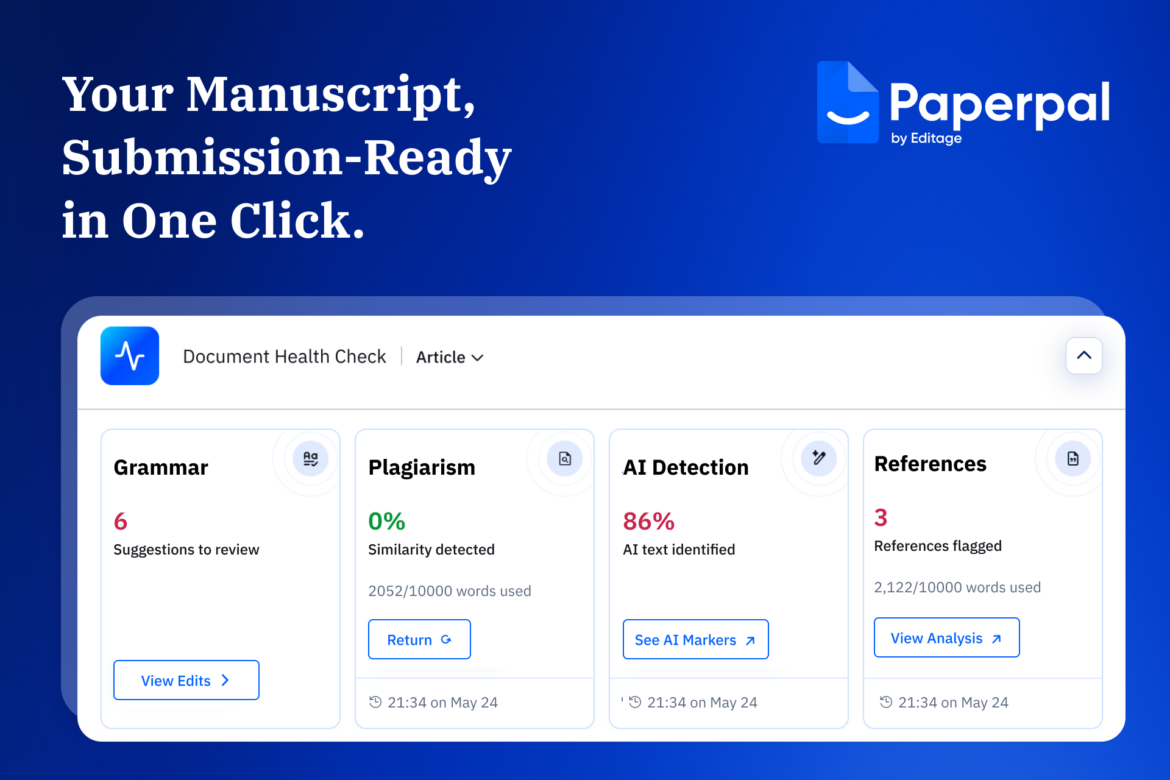
You’ve spent months perfecting your research paper, and now you’re ready to submit. Before hitting send, you run it through a free plagiarism checker, it comes back clean. Think you’re done? Not so soon. Generic plagiarism checkers only compare your research against blog posts, student essays, and Wikipedia entries, not …
GPTZero often faces criticism for its false accusations and bias, which can derail a student or researcher’s career. These issues have often led to students searching for free GPTZero alternatives for AI detection. The real need is simple: an accurate AI detector that can flag AI vs human writing patterns, while also acknowledging AI-assisted human text that may need additional review. I tested 6 …
AI academic writing tools have become so specialized that there’s now a solution for every phase of the writing process. But here’s the problem: research isn’t a single task, and no tool can master everything from initial brainstorming to final submission. If you’re searching for the right AI academic writing …
Turnitin plagiarism checker is trusted by over 16,000 institutions across 185 countries. However, it doesn’t sell to individuals. So, if your university lacks a subscription, you’ve graduated, or you’re an independent researcher who can’t justify iThenticate’s $125-per-manuscript fee, you’re locked out. The access gap is only part of the problem. …
Paperpal Achieves ISO/IEC 42001:2023 Certification, Reinforcing Its Commitment to Responsible AI
As AI becomes deeply embedded in research and scholarly workflows, trust, transparency, and governance become essential. Cactus Communications (CACTUS), a leading technology company specializing in AI and expert services for the scholarly publishing ecosystem, has earned the ISO/IEC 42001:2023 certification for its Artificial Intelligence (AI) Management System, placing it among …
Why Paperpal Built Its Academic AI Detector (And Why Binary Scores Don’t Tell the Full Story)
For the longest time, we at Paperpal didn’t want to build an AI detector. Reducing complex human thought, collaboration, and creativity to a binary label of human or AI felt deeply flawed. Writing, especially in academia, has always been a deeply human process, a negotiation between knowledge, experience, and, now increasingly, technology. But the way writing happens has changed. Academics today are …