
The use of AI tools in academic content creation has sparked a debate on the ethical implications of using AI-generated abstracts without any modifications. While some argue that reproducing the abstract generated by an AI tool without any modifications may not necessarily be unethical, others raise concerns about the originality …
AI writing tools
There’s been a noticeable surge in interest regarding the integration of AI tools within academic writing processes, reflecting a growing recognition of AI’s potential to enhance research productivity and efficiency. From generative AI tools capable of drafting complex texts to sophisticated algorithms designed for data analysis, the potential of AI …
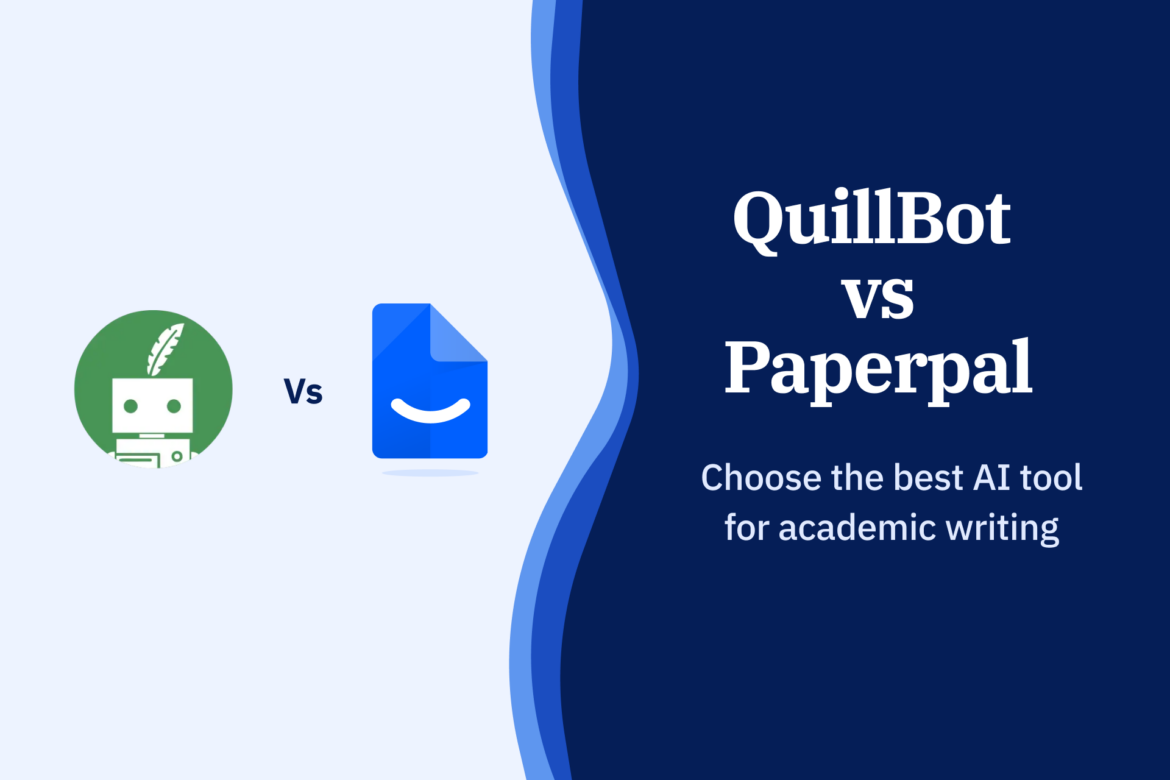
Initially conceived as a paraphrasing tool, QuillBot has evolved significantly. With the continuous incorporation of features such as grammar and plagiarism checks, a word processor, translation capabilities, and citation support, QuillBot has become one of the most widely utilized tools by students for academic writing today with over 4.3 million …
Academia thrives on clear communication and impactful writing, but let’s be honest, crafting compelling research papers and essays can feel like an uphill battle. This is where Generative AI steps in, offering a revolutionary toolkit for streamlining your academic writing journey. In this blog, we’ll delve into the how Generative …
While English remains the dominant language for research communication,1 non-native English speakers, or English as a second language (ESL) authors, often find themselves on the backfoot when writing and disseminating quality academic content for global consumption. Language editing tools, AI academic writing assistants, and academic English translators thus remain their …
- 1
- 2